Tuesday, March 18, 2014

EAT FAT …LOSE FAT

We continue with Athenea Lara...

To lose fat you have to EAT fat, yes ... I know that at first seems that this statement makes little sense, all these years of anti - fat campaign have managed to convince us that fat is responsible for the closures tight jeans, lost buttons and increasing sizes... but surprise! THAT IS NOT TRUE! Did you know that some polyunsaturated and monounsaturated fat actually speed up yourmetabolism?


EAT FAT TO GAIN MUSCLE
To begin with, building muscle requires a lot of energy. Because a gram of fat contains a little over twice the energy of one gram of carbohydrate or protein, this makes an ideal muscle building element, PROVIDED THAT is the right type of fat and you are exercising.

EAT FAT TO STAY YOUNG
Sooner or later we have to accept it: we are getting older with each passing day ... but that does not mean you are destined to a dramatic physical and mental decline.

To date, scientists have not been able to determine what exactly makes us age, but the most popular theory is that of "free radicals ", which says that aging arises from the bombardment of free radicals to our genes .

If we protect our cells from free radicals, then we will gradually grow old and healthy. There are two ways to do this, the first is exercise and the second eating fat. Both create a protective environment to our cells if we include them in our life style on a daily basis.

Bottom line is: If you want to stay young, exercise frequently and include unsaturated fats in your diet.


Monday, March 10, 2014

Fat: Friend or Foe

This time we have invited an expert in nutrition and fitness, Athenea Lara, with over 6 years of experience, she shares her secrets:

Despite many years of hearing arguments for "anti- fat,” it is increasingly clear that the right kinds of fat make us healthier, smarter, more muscular and less fat!

In the 80 's, everything we saw or read about nutrition tried to eradicate all common dietary fats, thus giving the message that any food containing any kind of fat was harmful to our health

Athletes and people concerned about nutrition adopted the idea that the less fat their diet had, the better. From that moment on, a low-fat diet was fashionable.

Today it remains a challenge to change the mindset of people, and to make them understand that the correct fat is not only essential, but also very beneficial to our body. 

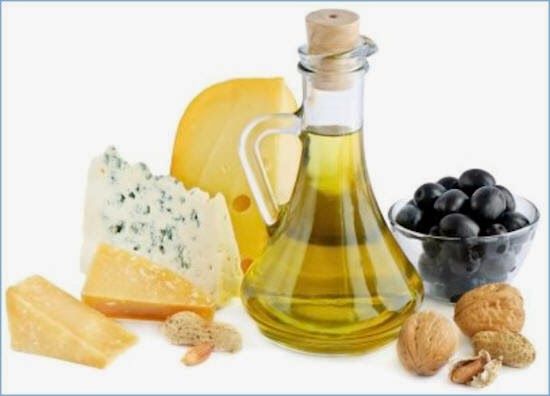
I’ve seen this example with my clients: none seems to have any conflict with eating a muffin, brownie, or burger ... however the vast majority shows major concerns over olive oil, dressings or a small handful of almonds in their diet.


The message that I want to give today is: FAT IS NOT THE DEVIL, but quite the contrary, it is one of our best allies to get in shape.


An important fact: Walter Willett, director of the department of nutrition at Harvard, has devoted the last years to show that since the start of the anti-fat movement, obesity has increased further and health in the general population did not improve at all.

It is true that there is a type of fat (let´s call them " bad fats ") that block our arteries, increase our adipose tissue, and accelerates aging, but it is also true that there is another type of fat ("the good one") that protects us against heart disease, damage from free radicals, increases our metabolic rate and fat burning, and can help gain muscle and testosterone production.

Next week we will talk in detail about which are good fats and how to use them to improve our health and live better...


Monday, March 3, 2014

Reading labels in ten seconds... SODIUM

Unfortunately, as most processed foods contain Sodium as a conserving element, it is difficult to find one that is free of this element.

Try to choose food with less than 140mg per serving. If you have blood pressure problems, kidney problems or fluid retention, I suggest that you avoid instant food.

As always, the best food is fresh; no matter how wonderful and magical food is presented by the food industry, it can never compete with natural and homemade options.

Tuesday, February 25, 2014

Is "Low Fat" healthier?

The dreaded and awful fat (formally called lipids) ... 

Unfortunately we have been misinformed about the power of this nutrient in our lives.  It is a fact that we suffer more illnesses because of sugar than fat.

Did you know that they are essential for the proper functioning of the brainhormone production and energy reserves? Many vitamins are dissolved in fat, thus by eliminating them completely you will also miss antioxidants and immune protection.

Be careful of foods that say "fat free" because in most cases the fat is replaced with corn starch, fructose or sugar cane, making the food even more damaging.

Nutritional fact labels describe several types of fat: total, saturated, trans and cholesterol. 

In order to find the healthiest option, choose food with less than 20g of fat and less than 20mg cholesterol per serving.

See you next week!

Monday, February 17, 2014

Understanding nutritional labels... PROTEINS

How did you do last week? Aren’t you impressed with the amount of sugar we often consume in instant food?

Fortunately there are new natural options that are as sweet but harmless to your body ...

We continue with proteins:
 
Few industrialized food contains enough of this nutrient and even less offer a good quality protein such as soy, cheese, eggs or meat.

To give you a reference, an average adult should eat about 60g of protein per day, which is 100-200g of meat, egg or cheese (much less than what we usually consume). 

Desserts don’t contain enough protein, but if you are used to buying one or more meals per day, choose those options that give you about 20-25g of protein per serving.

See you next week!

Monday, February 10, 2014

Reading labels in ten seconds... CARBOHYDRATES


The mistakenly called “enemies of your diet” and the reason for your cravings ... "carbohydrates".

This nutrient has been widely criticized in recent decades, however if you stop eating them, your body uses muscle tissue to get energy, so will you lose weight by losing tone and strength. Besides, carbohydrates are the most important fuel for brain function.

As you can see, nutrition fact labels divide the total amount of carbohydrates in two: sugars and fiber. 

Sugars refer to the amount of digestible carbohydrates that convert to glucose in your body. 

Fiber refers to the portion of carbohydrates which is not digestible but that helps the proper function of your bowel.


As I have written before, avoid food that contains fructose or HFCS as they have been increasingly associated with the epidemic of obesity, diabetes and heart disease.

It is generally recommended that less than 10% of your diet is sugar, therefore a practical measure is to choose food that contains less than 50g per portion of sugar.

See you next week...

Monday, February 3, 2014

Do you REALLY know what you eat?

For those who did not read last week’s blog, we will learn a simple and quick way to read nutrition labels so we can choose the best food for our family.

This week we'll talk about Energy:

As you may have noticed, the amount of energy is listed at the beginning of the nutrition facts label and most of them specify the amount of calories per serving (which in most cases is less than half the package).

An average adult needs to eat 1500-2000kcal per day, so that each meal it is advisable to have 500-700Kcal (considering breakfast, lunch and dinner).

According to the above, you need to choose meals with less than 500Kcal per serving, if you're buying a dessert, avoid options that have more than 200Kcal per serving.

Try applying this on the foodstuff you usually buy and tell me how it went.

See you next week with "Carbohydrates"